


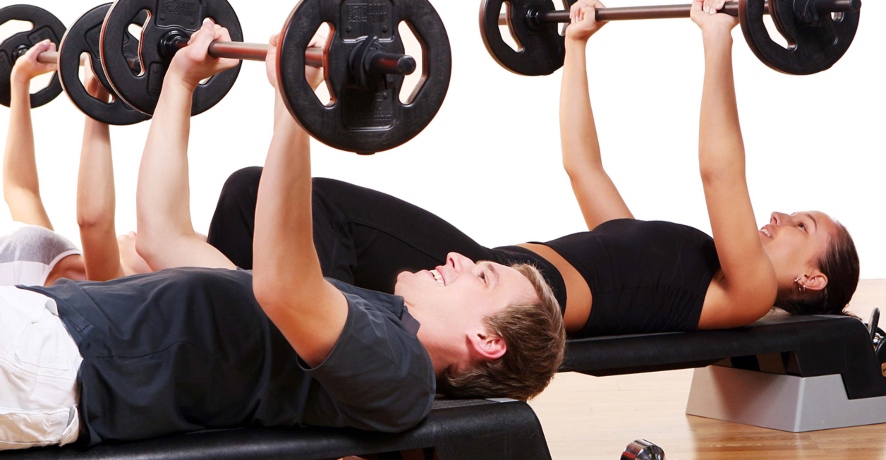
The question Singapore gym members most frequently ask about bodypump class attendance relative to traditional resistance training is whether the group fitness format can match the body composition outcomes of individual programme-based weight room training. The honest answer is nuanced and population-dependent, with BodyPump producing superior outcomes for some participant profiles and traditional resistance training producing superior outcomes for others. Understanding which profile you fit helps make the membership and scheduling decisions that serve your specific body composition goals most efficiently.
Where BodyPump Outperforms Traditional Resistance Training
Adherence-Adjusted Outcomes for the Average Gym Member
The most practically significant advantage BodyPump holds over traditional resistance training for the majority of Singapore gym members is not physiological superiority at equivalent attendance but adherence superiority at realistic attendance. Research on long-term exercise adherence consistently shows that group fitness formats produce higher attendance consistency than self-directed resistance training across a twelve-month period, particularly for members who began training without an established gym habit.
The social accountability of booked group classes, the instructor-provided session structure, and the community dimension of regular class attendance combine to produce attendance rates that consistently exceed what the same member achieves with a self-directed resistance training programme. When body composition outcomes are calculated across a full year of realistic attendance rather than a controlled short-term study, BodyPump’s adherence advantage translates into superior cumulative training volume and therefore superior body composition outcomes for the typical Singapore gym member relative to an independently programmed resistance training approach they follow inconsistently.
Cardiovascular Component Integration
BodyPump’s integrated cardiovascular demand within each resistance training session produces a combined aerobic and anaerobic metabolic stimulus that traditional low-tempo heavy resistance training does not replicate. For members whose primary body composition goal is fat loss alongside muscle development, this integrated stimulus produces both higher direct caloric expenditure per session and meaningful cardiovascular adaptation alongside muscular development.
Where Traditional Resistance Training Outperforms BodyPump
Advanced Hypertrophy Development
For members with more than two years of consistent resistance training history who have established strength levels that exceed what BodyPump’s loading system can accommodate, traditional resistance training’s ability to progressively overload through heavier loads, greater volume per muscle group, and more specific programme design produces superior hypertrophy outcomes. BodyPump’s format constraints limit the loading ceiling and volume individualisation that advanced hypertrophy development requires.
Strength Development
Traditional resistance training’s ability to apply maximal and near-maximal loading to fundamental movement patterns produces strength development that BodyPump’s endurance-focused loading cannot replicate. Members whose goals include meaningful absolute strength development require traditional resistance training rather than BodyPump as their primary training modality.
True Fitness Singapore supports members in choosing the training approach that best serves their specific body composition goals. True Fitness Singapore provides access to both BodyPump programming and independent resistance training infrastructure that allows members to use whichever approach, or combination of both, produces the best outcomes for their individual situation.
FAQs
Q. – Can I replace my traditional resistance training programme entirely with BodyPump?
Ans. – For members in the beginner to intermediate development stage whose goals are general body composition improvement and muscular endurance, BodyPump can function as a complete resistance training approach. For members with advanced development goals, significant strength objectives, or specific muscle group emphasis needs, BodyPump works best as a complement to traditional resistance training rather than a complete replacement.
Q. – I have been doing traditional resistance training for two years and want to add BodyPump. How should I integrate it?
Ans. – BodyPump is most productively used as a higher-volume, higher-frequency complement to traditional training sessions rather than a replacement for any of them. Scheduling BodyPump on days between heavy resistance sessions allows its high-repetition volume to complement rather than compete with the heavier loading of primary sessions.
Q. – Will BodyPump help me lose fat faster than the resistance training programme I currently follow?
Ans. – BodyPump’s higher session caloric expenditure relative to traditional low-tempo heavy resistance training provides a direct advantage for fat loss per session. Whether this advantage translates into faster total fat loss depends on whether you attend BodyPump as frequently as your current resistance training and whether the integrated cardiovascular component of BodyPump adds meaningful weekly caloric expenditure above your current programme.
Q. – My traditional resistance training has stalled. Would switching to BodyPump break the plateau?
Ans. – BodyPump provides a sufficiently different training stimulus from traditional resistance training that a temporary switch or combination often breaks adaptation plateaus by introducing novel movement tempo, repetition ranges, and metabolic demands. A four to six week BodyPump emphasis followed by return to traditional training with updated programme variables typically produces renewed progress.
Q. – Is the progressive overload achievable in BodyPump sufficient for long-term body composition improvement?
Ans. – BodyPump’s progressive overload operates primarily through load increases as capacity develops and through the release cycle’s systematic stimulus variation. This progression is sufficient for meaningful body composition improvement across one to two years for most Singapore participants. Beyond this timeframe, the loading ceiling limits the magnitude of further progression available within the format.