


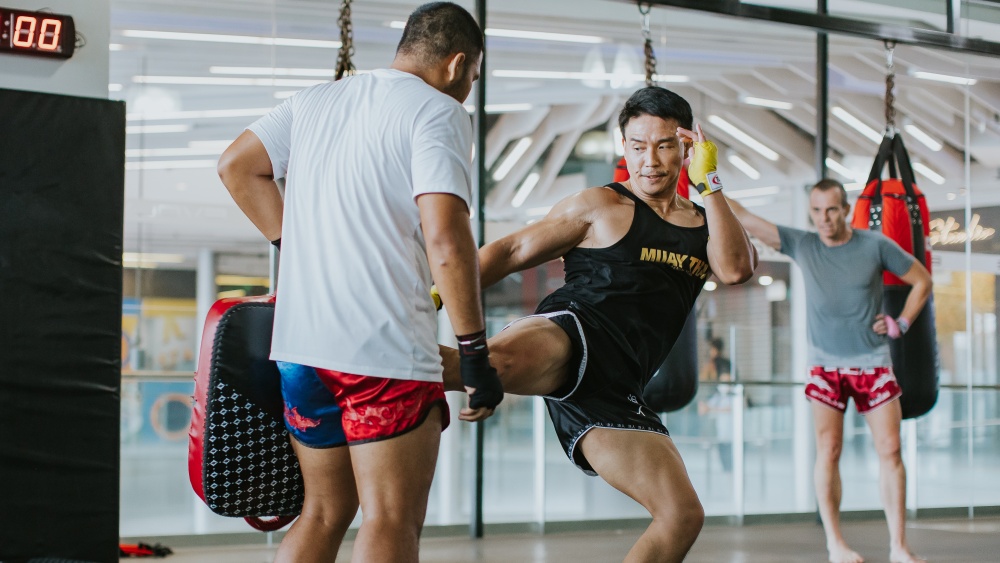
Singapore’s fitness culture has matured rapidly over the past decade. What was once a market dominated by casual gym attendance has evolved into a serious, achievement-oriented fitness community where training frequency, intensity tracking, and performance metrics are discussed with the same rigour that professionals apply to their work goals. This evolution has produced genuinely impressive fitness outcomes for many of Singapore’s gym-going population, but it has also created conditions in which overtraining syndrome is becoming an increasingly relevant clinical concern.
The irony of overtraining is that it affects the most motivated gym members rather than the casual ones. At any gym singapore residents use seriously, the individuals most at risk of overtraining are those training hardest and most consistently, the very people whose commitment to fitness deserves recognition rather than pathologising. Understanding overtraining as a physiological reality rather than a motivational failing is the first step toward managing it intelligently.
What Overtraining Syndrome Actually Is
Overtraining syndrome is a clinical condition that develops when the accumulated physiological stress of training consistently exceeds the body’s capacity for recovery over a sustained period. It is distinct from the normal fatigue that follows a hard training session or a demanding training week. Normal training fatigue resolves with a few days of reduced training or rest. Overtraining syndrome is a deeper systemic disruption that persists despite rest and requires weeks to months of reduced training load to resolve.
The condition is characterised by a complex of symptoms that span physiological, psychological, and performance dimensions:
- Persistent performance decrements despite maintained or increased training volume
- Elevated resting heart rate and impaired heart rate recovery following exercise
- Disrupted sleep architecture including difficulty falling asleep, frequent waking, and non-restorative sleep
- Mood disturbances including irritability, anxiety, depression, and reduced motivation for training and everyday activities
- Hormonal dysregulation characterised by chronically elevated cortisol and suppressed testosterone
- Increased susceptibility to upper respiratory tract infections reflecting impaired immune function
- Musculoskeletal pain and elevated injury occurrence beyond what training load alone explains
The challenge with overtraining syndrome diagnosis is that these symptoms overlap with other conditions including clinical depression, thyroid dysfunction, and nutritional deficiencies, making accurate identification and management dependent on clinical assessment rather than self-diagnosis.
Why Singapore’s Gym Culture Creates Specific Overtraining Risk
Several characteristics of Singapore’s fitness culture and broader social environment combine to create overtraining risk conditions that may be more pronounced than in many other fitness markets.
Singapore’s high-achievement professional culture creates psychological parallels between career performance and fitness performance that can produce maladaptive training behaviours. The same drive that produces professional success, working harder when results plateau, pushing through discomfort, and refusing to accept limitations, becomes counterproductive when applied rigidly to training progression. Bodies do not respond to effort in the linear way that professional performance often does, and the refusal to reduce training load when physiological signals indicate the need for recovery is a primary driver of overtraining syndrome development.
The boutique fitness culture’s emphasis on class attendance frequency creates social accountability mechanisms that can override physiological recovery signals. Members who have built social identities around their gym attendance and community relationships may continue attending classes at frequencies their bodies cannot sustain rather than risk disrupting the social dimension of their fitness practice.
Singapore’s compressed geography and excellent gym accessibility remove the logistical barriers to excessive training frequency that naturally limit gym attendance in less convenient urban environments. When a high-quality gym is fifteen minutes from your door and your schedule allows daily attendance, the external constraint on training frequency that protects many people from overtraining is absent.
Distinguishing Overreaching From Overtraining
Exercise science distinguishes between two categories of excessive training load that are frequently conflated:
Functional overreaching is a deliberate, short-term increase in training load above normal levels with the intention of producing supercompensation, an above-baseline fitness adaptation following recovery. This is a legitimate and commonly used training strategy among experienced athletes. Performance decrements during the overreaching phase resolve fully within one to two weeks of reduced training load and are followed by measurable fitness improvements.
Non-functional overreaching occurs when training load is chronically excessive without adequate recovery integration. Performance decrements persist beyond two weeks of reduced training, and recovery requires weeks rather than days. This is the precursor state to full overtraining syndrome and the point at which intervention can prevent the development of the more severe clinical condition.
Overtraining syndrome represents the most severe end of this continuum, with performance and health disruptions that persist for months and require extended training reduction or complete rest for resolution.
Monitoring Strategies for Singapore Gym-Goers
Proactive monitoring of training adaptation and recovery status is the most effective strategy for preventing overtraining in regular gym participants. Several practical monitoring approaches are available:
Resting heart rate tracking: A resting heart rate elevation of five to seven beats per minute above individual baseline on waking is a reliable early indicator of accumulated fatigue that warrants training load reduction. Consumer wearables make this monitoring straightforward when tracked consistently over time.
Heart rate variability monitoring: HRV reduction below individual baseline reflects autonomic nervous system disruption from accumulated training stress and provides an early warning of recovery deficit before performance decrements become apparent.
Subjective wellbeing scales: Simple daily self-assessment of mood, energy, sleep quality, and muscle soreness using a five-point scale provides composite recovery status information that is surprisingly effective at detecting overtraining risk when tracked consistently over time.
Performance tracking: Consistent decrements in training performance, reduced strength outputs, elevated perceived exertion at given workloads, or reduced endurance capacity, that persist across multiple sessions despite maintained nutrition and sleep are important performance-based overtraining signals.
Recovery Integration as a Training Priority
The most effective protection against overtraining syndrome is treating recovery not as passive rest between training sessions but as an active training component that receives the same planning attention as the sessions themselves.
Structured deload weeks, planned periods of reduced training volume and intensity every four to six weeks, allow accumulated fatigue to dissipate before it reaches the threshold of non-functional overreaching. Sleep optimisation, adequate protein and carbohydrate intake, stress management, and active recovery practices including mobility work and light aerobic activity all contribute to the recovery capacity that determines how much training stress the body can absorb productively.
TFX Singapore structures its programming with recovery integration built into the training cycle, recognising that sustainable long-term fitness development requires the same attention to recovery quality as to training stimulus intensity and frequency.