


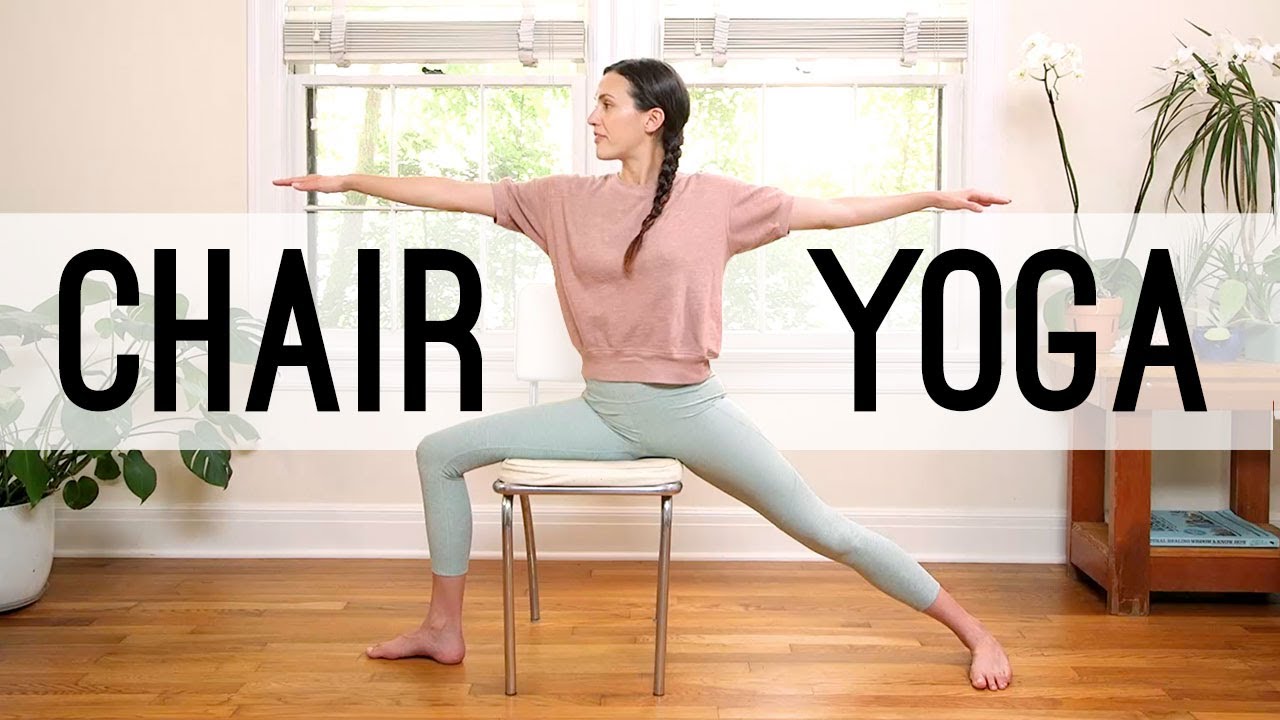
Many people want to move better, breathe more calmly and stay active, but not everyone feels comfortable with floor-based practice or fast-paced classes. This is why chair yoga can be such a practical option for office workers, seniors and mobility limited adults. It offers a way to practise yoga with support, making movement more accessible without removing depth or purpose. A chair-based practice is not a watered-down version of yoga. When taught well, it can support mobility, posture, breath awareness, balance, joint comfort and stress recovery. The chair simply changes the relationship between the body and the practice. It gives students a stable base so they can focus on controlled movement rather than worrying about getting down to the floor or standing for too long.
Why accessible movement matters
Many adults avoid movement routines because they assume they need to be flexible, strong or physically confident before starting. This belief can prevent people from getting the very support they need. Accessible yoga challenges that idea by making movement possible for more bodies. Office workers may need it because long sitting hours create stiffness in the neck, shoulders, back and hips. Seniors may appreciate the support because balance and joint comfort become more important over time. Mobility limited adults may need a practice that allows them to work within safe ranges without feeling excluded. The value of chair-based yoga is that it meets people where they are. It does not demand that they force themselves into standard floor postures. It uses the chair as a tool for stability and confidence.
How office workers benefit
Office routines often create a specific type of physical stress. People sit for long periods, look at screens, type continuously and move less than the body needs. Over time, this can lead to rounded shoulders, tight hips, shallow breathing and lower back fatigue. Chair-supported yoga can be useful because it can target many of these patterns directly. Seated twists, shoulder rolls, side bends, gentle forward folds and breath work can all help office workers reconnect with the body. The practice can also be adapted for short breaks during the day. Unlike intense workouts that require a complete change of clothes or a large time block, chair-based movement can be practical and repeatable. This makes it easier for working adults to include wellness in a busy schedule.
Common office-related areas chair yoga may support
A guided chair practice may help with:
- Neck and shoulder tension
- Upper back stiffness
- Hip tightness from sitting
- Wrist and forearm fatigue
- Breath awareness during stress
- Postural awareness at the desk
- Gentle circulation and movement breaks
These benefits are practical because they connect directly to daily work habits.
Why seniors may find it helpful
For seniors, movement confidence is important. Some may avoid yoga because they worry about balance, floor transitions or joint discomfort. A chair provides support, which can make the practice feel safer and more approachable. Chair-based yoga can support gentle mobility, coordination, breath and balance awareness. It may include seated movements, supported standing postures and slow transitions. The pace can be adapted based on ability and comfort. The goal is not to perform impressive postures. The goal is to maintain movement, confidence and body awareness in a way that feels sustainable.
Supporting mobility limited adults
Mobility limitations can come from many causes, including age, injury history, physical conditions or long periods of inactivity. A chair-based practice can offer a respectful way to move without forcing the body into unsuitable positions. The teacher can adapt postures, reduce range, add support and focus on breath. This helps students participate meaningfully. Feeling included is important. People are more likely to continue movement when the practice feels designed for them rather than around them.
Breath as part of accessible practice
Breath work is one of the strongest parts of chair-based yoga. Even when movement is small, breathing can create a powerful shift. Students may learn to lengthen the spine while inhaling, soften the shoulders while exhaling and notice how stress affects the body. For office workers, this can support calmer workdays. For seniors and mobility limited adults, it can improve confidence and relaxation. Breath is accessible because it does not depend on flexibility or strength.
Building confidence through support
The chair creates a sense of stability. This can help students try movements they might otherwise avoid. Confidence grows when people realise they can move safely and comfortably. Over time, this confidence can extend beyond class. Students may become more aware of how they sit, stand, reach and breathe during daily life. This is where accessible yoga becomes truly valuable. It improves the relationship with the body.
A thoughtful setting for supported practice
A studio such as Yoga Edition can offer a calm and structured environment where chair-based practice feels purposeful rather than limited. The right teacher and setting help students understand that support is not a weakness. It is a smart way to practise safely. When students feel respected, they are more likely to continue. That consistency is what creates long-term value.
Movement that belongs to more people
Chair-based yoga is useful because it opens the door to movement for people who may otherwise feel left out of traditional wellness spaces. It supports office workers, seniors and mobility limited adults by making practice safer, more adaptable and easier to repeat. Health routines should not be reserved for the already flexible or highly fit. They should meet real bodies in real situations. A chair-supported practice does exactly that. It helps people move, breathe and build confidence one accessible session at a time.