


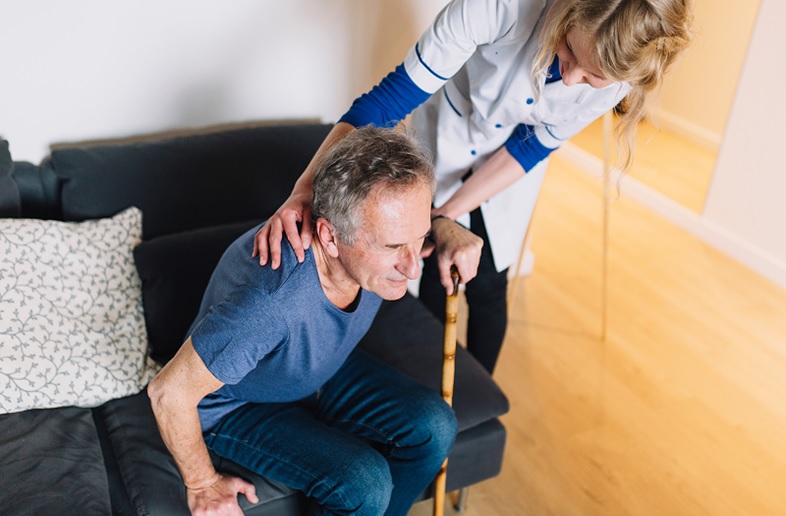
Watching a family member lose physical mobility changes daily family life. Simple routines, like getting out of bed, walking to the dining table, or stepping into a shower, suddenly require physical assistance and constant vigilance. Family members often step in as initial helpers, but balancing professional careers with demanding physical care tasks leads quickly to fatigue and strain. Engaging a trained elderly caregiver provides practical relief while protecting your relative’s dignity and personal safety. However, caring for someone with limited mobility requires skills beyond basic housekeeping. Evaluate specific handling proficiencies, skin preservation techniques, and safety protocols before confirming an appointment. Knowing which competencies matter most helps you select a helper capable of managing complex physical needs with confidence and consistency.
The Biomechanical Core: Safe Transfer and Mobility Support Techniques
Moving an adult with restricted physical movement requires structured biomechanical technique rather than brute strength.
An untrained individual who pulls a senior up by the arms risks dislocating delicate shoulder joints or causing severe lumbar injuries to both parties. A capable elderly caregiver uses proper transfer techniques, such as the sit-to-stand method, gait belt guidance, and pivot transfers. They understand how to position wheelchairs correctly, lock wheel brakes before every shift, and clear surrounding pathways of trip hazards. Furthermore, they operate assistive machinery, including mechanical hoists, slide sheets, and standing aids, with calm proficiency. These transfer proficiencies mirror the rigorous safety benchmarks maintained in purpose-built elderly co-living residences, keeping your parent mobile without risking accidental falls.
The Critical Competencies: Evaluating Essential Practical Skills
Reviewing practical skill areas allows families to determine whether a candidate can manage daily care routines independently.
| Competence Area | Practical Application | Health and Safety Benefit |
| Ergonomic Transfers | Executes sit-to-stand pivots and uses gait belts or transfer boards | Protects delicate joints and prevents sudden falls during room transitions. |
| Pressure Injury Prevention | Repositions bed-bound individuals every two hours and monitors bony areas | Maintains capillary blood circulation and prevents painful skin breakdown. |
| Fall Management Protocols | Identifies environmental hazards and guides unhurried ambulation | Minimises slip incidents and executes safe lowering manoeuvres if balance fails. |
| Assistive Equipment Operation | Operates mechanical hoists, shower commodes, and specialised walking frames | Delivers smooth transfers without placing physical strain on the senior. |
Confirming these capabilities during the selection process ensures your loved one receives skilled physical support throughout the day.
Guarding the Skin: Pressure Relief and Hygiene Precision
Limited mobility severely restricts natural body shifting, making regular skin assessments a non-negotiable duty.
When an individual remains seated or reclined in one position for extended hours, constant pressure restricts capillary blood flow to tissues over bony prominences like heels, elbows, and the sacrum. This sustained pressure causes painful pressure injuries that deteriorate rapidly into deep wounds. Competent carers understand strict repositioning schedules, turning bed-bound individuals every two hours and utilising pressure-relieving cushions effectively. Additionally, they handle bed baths and commode transfers with meticulous hygiene standards, keeping skin clean, dry, and properly moisturised to prevent dermatitis and friction tears.
Alert Responses: Acute Observation and Rapid Emergency Reaction
Physical limitations frequently mask underlying health complications, requiring carers to maintain sharp observational habits.
A sudden decline in mobility often signals an emerging urinary tract infection, cardiovascular change, or minor stroke rather than ordinary fatigue. A qualified carer monitors subtle physiological shifts, logging daily fluid intake, bowel regularity, temperature changes, and changes in pain levels. When emergencies occur, such as an unexpected slip or choking episode, the carer must act decisively without panicking. Certifications in cardiopulmonary resuscitation (CPR) and standard first aid demonstrate that the candidate knows how to stabilise a patient, clear airway obstructions, and alert emergency medical services promptly.
Weighing Environment: Assessing Private Support Against Shared Settings
While dedicated home assistance offers one-to-one focus, families should evaluate whether home confines meet all social and functional goals.
An isolated home environment sometimes limits interaction, leaving seniors with restricted mobility feeling cut off from community life. In contrast, modern elderly co-living developments provide barrier-free, wheelchair-accessible architectural layouts alongside 24-hour on-site clinical care teams. These communal spaces pair dedicated physical support with structured daily recreation, social dining, and peer engagement. Comparing private domestic care against an elderly co-living facility helps you determine whether your loved one benefits more from individual home routines or an active, accessible group setting.
Securing Safety, Dignity, and Peace of Mind
Choosing the right carer for a loved one with limited mobility requires verifying practical handling skills, pressure care knowledge, and emergency readiness. By focusing on physical transfer competence and attentive monitoring, you safeguard your family member’s health, prevent avoidable accidents, and secure dependable day-to-day support.
Frequently Asked Questions
What physical qualifications should I look for in a mobility caregiver?
Prioritise candidates holding verified credentials in patient handling, eldercare support, and certified training for assistive equipment like hoists and transfer boards.
How often should a caregiver reposition an individual with limited mobility?
A caregiver must reposition a bed-bound individual at least once every two hours, and assist seated individuals in shifting their weight every fifteen to thirty minutes to protect skin integrity.
Can an elderly caregiver manage physiotherapy exercises at home?
A caregiver can assist with prescribed maintenance routines, such as passive range-of-motion stretches, after receiving explicit instructions from a licensed physiotherapist.
Support your loved ones with dedicated, professionally trained eldercare and assisted living options tailored to individual mobility needs. Contact Top Faith today to discuss tailored care arrangements for your family.