


Managing blood sugar isn’t only important for people with diabetes. Stable blood sugar levels support energy, focus, mood, and long-term metabolic health. Small, consistent dietary choices can make a meaningful difference without extreme restrictions or complicated plans.
Below are practical, evidence-based diet tips that help support healthy blood sugar levels naturally.
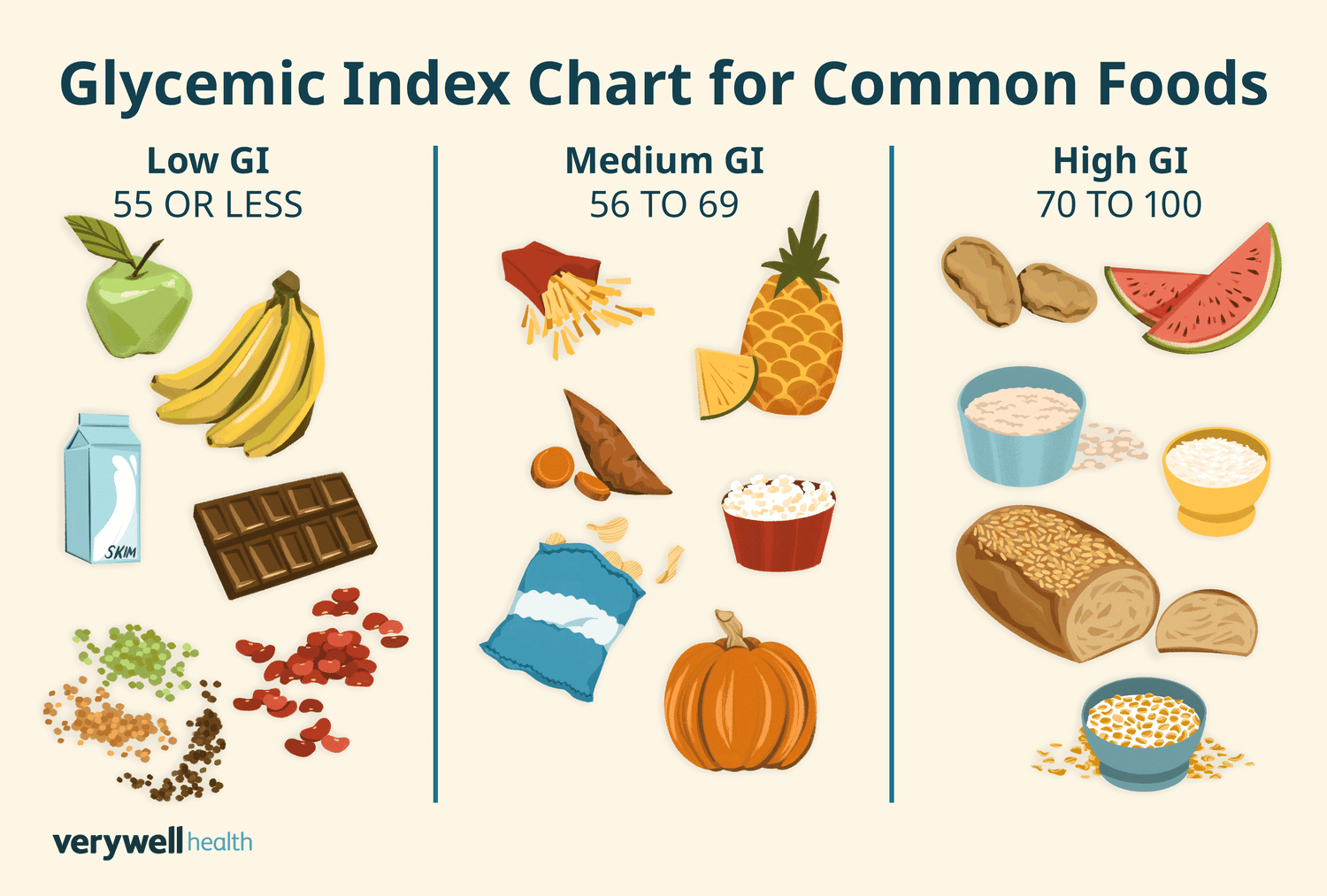
Focus on Low Glycemic Foods
Foods that digest slowly help prevent sharp blood sugar spikes.
Choose more often
- Non-starchy vegetables
- Whole grains like oats and barley
- Legumes such as lentils and beans
- Berries and apples
These foods release glucose gradually, supporting steadier energy.
Balance Every Meal
Meals that include a mix of nutrients help regulate blood sugar more effectively.
Aim to include
- Protein for satiety and slower digestion
- Healthy fats to reduce glucose spikes
- Fiber-rich carbohydrates for steady absorption
Balanced meals reduce rapid rises and drops in blood sugar.
Increase Fiber Intake
Fiber plays a key role in blood sugar control.
High-fiber options
- Leafy greens
- Chia and flax seeds
- Beans and lentils
- Whole fruits with skin
Fiber slows digestion and improves insulin sensitivity over time.
Choose Quality Carbohydrates
Not all carbohydrates affect blood sugar the same way.
Better choices
- Whole grains instead of refined grains
- Fresh fruit instead of fruit juice
- Starchy vegetables over processed snacks
Limiting refined carbs helps reduce blood sugar fluctuations.
Eat at Consistent Times
Irregular eating patterns can disrupt blood sugar balance.
Helpful habits
- Avoid skipping meals
- Space meals evenly throughout the day
- Include protein at breakfast
Consistent timing supports predictable glucose responses.
Be Mindful of Added Sugars
Excess added sugar can overwhelm the body’s ability to regulate glucose.
Watch for
- Sweetened beverages
- Packaged snacks
- Sauces and condiments
Reading labels helps reduce hidden sugar intake.
Include Healthy Fats
Healthy fats slow digestion and improve meal satisfaction.
Supportive sources
- Avocados
- Nuts and seeds
- Olive oil
- Fatty fish
These fats help stabilize blood sugar when paired with carbohydrates.
Stay Hydrated
Hydration supports overall metabolic function.
Why it matters
- Helps kidneys remove excess glucose
- Reduces false hunger signals
- Supports digestion
Water is the best choice for daily hydration.
Limit Highly Processed Foods
Highly processed foods often combine refined carbs and added sugars.
Common examples
- Packaged baked goods
- Sugary cereals
- Fried snacks
Reducing processed foods improves blood sugar consistency.
Pay Attention to Portion Sizes
Large portions can spike blood sugar even with healthy foods.
Simple portion strategies
- Fill half your plate with vegetables
- Eat slowly and stop when satisfied
- Avoid eating directly from packages
Portion awareness supports better glucose control.
Final Thoughts
Managing blood sugar naturally is less about restriction and more about balance, consistency, and food quality. By focusing on whole foods, balanced meals, regular eating patterns, and mindful portions, you support steady energy and long-term metabolic health in a sustainable way.
Frequently Asked Questions
1. Can diet alone help manage blood sugar levels?
For many people, diet plays a major role, especially when combined with healthy lifestyle habits.
2. Are fruits bad for blood sugar control?
No. Whole fruits contain fiber that helps moderate blood sugar when eaten in appropriate portions.
3. How often should I eat to keep blood sugar stable?
Most people benefit from regular meals spaced evenly throughout the day.
4. Is it necessary to avoid carbohydrates completely?
No. Choosing high-quality, fiber-rich carbohydrates is more effective than elimination.
5. Do protein-only meals help control blood sugar?
Protein helps, but balanced meals with fiber and healthy fats work best.
6. Can drinking more water really help blood sugar control?
Yes. Proper hydration supports glucose regulation and overall metabolic health.
7. How long does it take to notice improvements from dietary changes?
Some people notice steadier energy within days, while long-term improvements develop over weeks.