


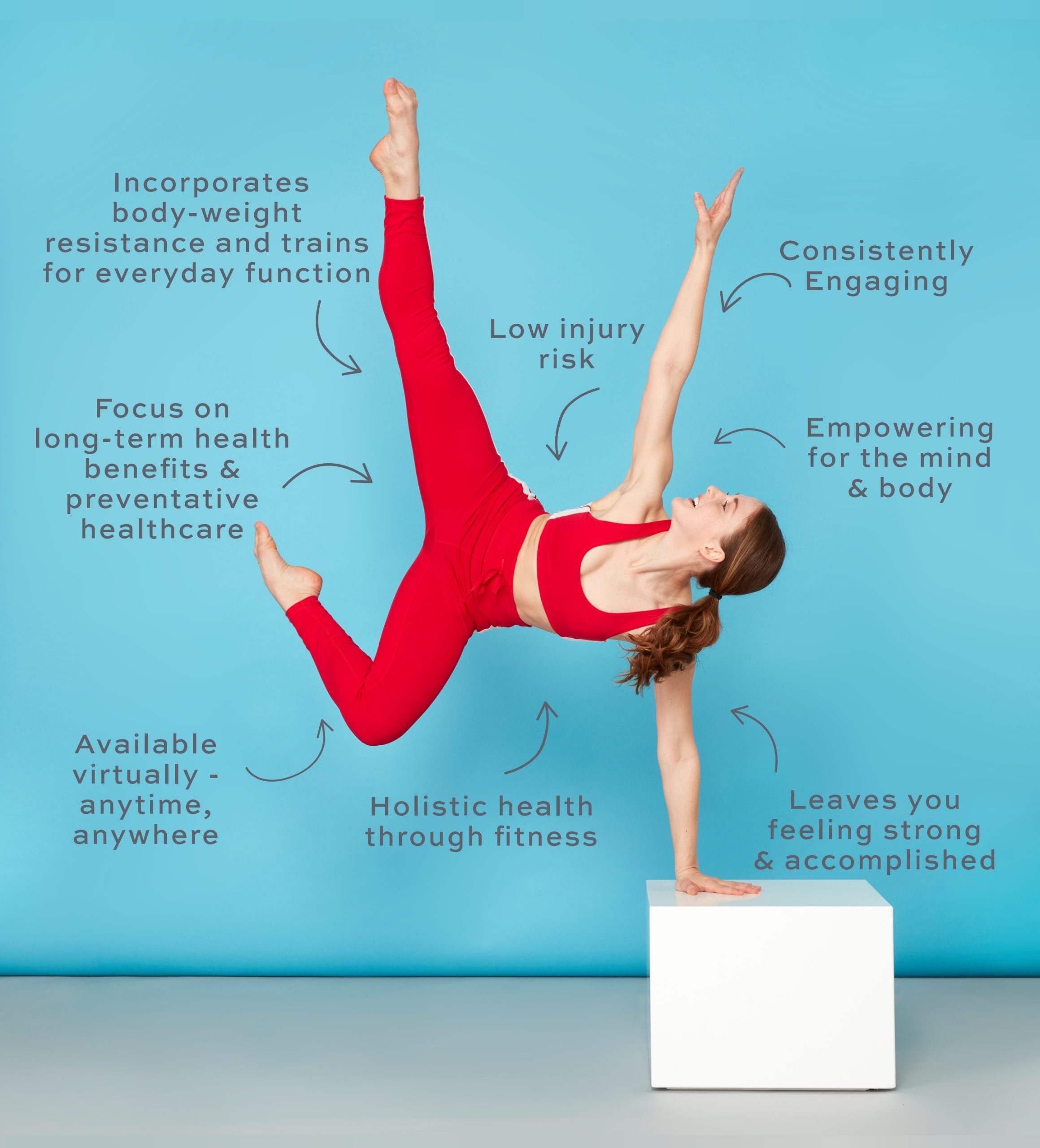
Starting a fitness routine is easy. Sticking to it long term is the real challenge. A sustainable fitness routine fits your lifestyle, adapts to change, and supports both physical and mental health without burnout. The goal isn’t perfection—it’s consistency over time.
Below is a practical, realistic approach to building a routine you can maintain for years, not just weeks.
Understand What “Sustainable” Really Means
A sustainable routine is one you can follow even on busy, stressful, or low-energy days.
Key characteristics
- Flexible, not rigid
- Enjoyable, not punishing
- Supportive of recovery and rest
- Aligned with your daily schedule
If a plan feels overwhelming, it won’t last.
Start With Clear but Realistic Goals
Vague goals often lead to frustration. Clear goals provide direction, while realistic ones protect motivation.
Examples of sustainable goals
- Exercise 3–4 times per week
- Improve energy levels
- Reduce stiffness or discomfort
- Build basic strength and endurance
Avoid goals based only on appearance. Performance and well-being goals tend to last longer.
Choose Activities You Actually Enjoy
Enjoyment is one of the strongest predictors of long-term consistency.
Popular sustainable options
- Walking or hiking
- Strength training
- Yoga or mobility work
- Cycling or swimming
- Home workouts
You don’t need to love every session, but you shouldn’t dread them.
Keep Workouts Simple and Efficient
Complex plans often lead to burnout or inconsistency.
Focus on
- Full-body workouts
- Basic movement patterns
- Short, focused sessions (20–45 minutes)
Simple routines reduce decision fatigue and make it easier to show up consistently.
Balance Strength, Cardio, and Mobility
A well-rounded routine supports long-term health and performance.
Aim to include
- Strength training for muscle and bone health
- Cardio for heart health and endurance
- Mobility and stretching for joint health and recovery
You don’t need to train everything every day—balance matters over the week.
Schedule Fitness Like an Appointment
Relying on motivation alone is unreliable. Structure creates consistency.
Helpful strategies
- Choose specific workout days
- Attach workouts to existing habits
- Prepare clothes or equipment in advance
When exercise is planned, it becomes non-negotiable.
Prioritize Recovery and Rest
Progress doesn’t come from constant effort—it comes from proper recovery.
Recovery essentials
- At least one rest day per week
- Quality sleep
- Light movement on low-energy days
- Stretching or mobility work
Rest supports longevity, not laziness.
Track Progress Beyond the Scale
Sustainable fitness focuses on how you feel and function.
Better progress markers
- Increased strength or stamina
- Improved mood and energy
- Better sleep quality
- Reduced aches and stiffness
These signs matter more than short-term physical changes.
Adapt as Life Changes
A sustainable routine evolves with your lifestyle.
Examples
- Shorter workouts during busy weeks
- Lower intensity during stressful periods
- Home workouts when time is limited
Consistency doesn’t mean doing the same thing forever—it means staying engaged despite change.
Final Thoughts
Building a sustainable fitness routine is about patience, flexibility, and self-awareness. When exercise supports your life instead of competing with it, consistency becomes natural. Long-term results come from routines that respect both your goals and your reality.
Frequently Asked Questions
1. How long does it take to build a sustainable fitness habit?
Most people begin to feel consistent after 6–8 weeks of regular, realistic training.
2. Is it okay to miss workouts occasionally?
Yes. Missing a workout doesn’t ruin progress—quitting altogether does.
3. How many workouts per week are ideal for sustainability?
For most people, 3–4 sessions per week is effective and manageable long term.
4. Can a sustainable routine still lead to noticeable results?
Absolutely. Sustainable routines often produce better long-term results than extreme plans.
5. Should I change my routine often to avoid plateaus?
Minor adjustments over time help, but frequent drastic changes aren’t necessary.
6. What if my motivation drops?
Focus on routine, not motivation. Showing up consistently builds motivation over time.
7. Can beginners build sustainable routines without professional help?
Yes. Simple, balanced routines with gradual progression work well for most beginners.