


Mobility is the foundation of pain-free movement, good posture, and long-term physical health. Unlike flexibility alone, mobility focuses on strength and control through a full range of motion. For beginners, improving mobility can reduce stiffness, prevent injuries, and make everyday activities feel easier.
The exercises below are simple, low-impact, and suitable for all fitness levels. They require little to no equipment and can be done at home.
Why Full-Body Mobility Matters
Limited mobility can lead to poor movement patterns, joint discomfort, and muscle tightness. A balanced mobility routine helps your body move efficiently and confidently.
Key benefits include
- Better joint health
- Improved posture and balance
- Reduced risk of injury
- Enhanced workout performance
- Easier daily movement
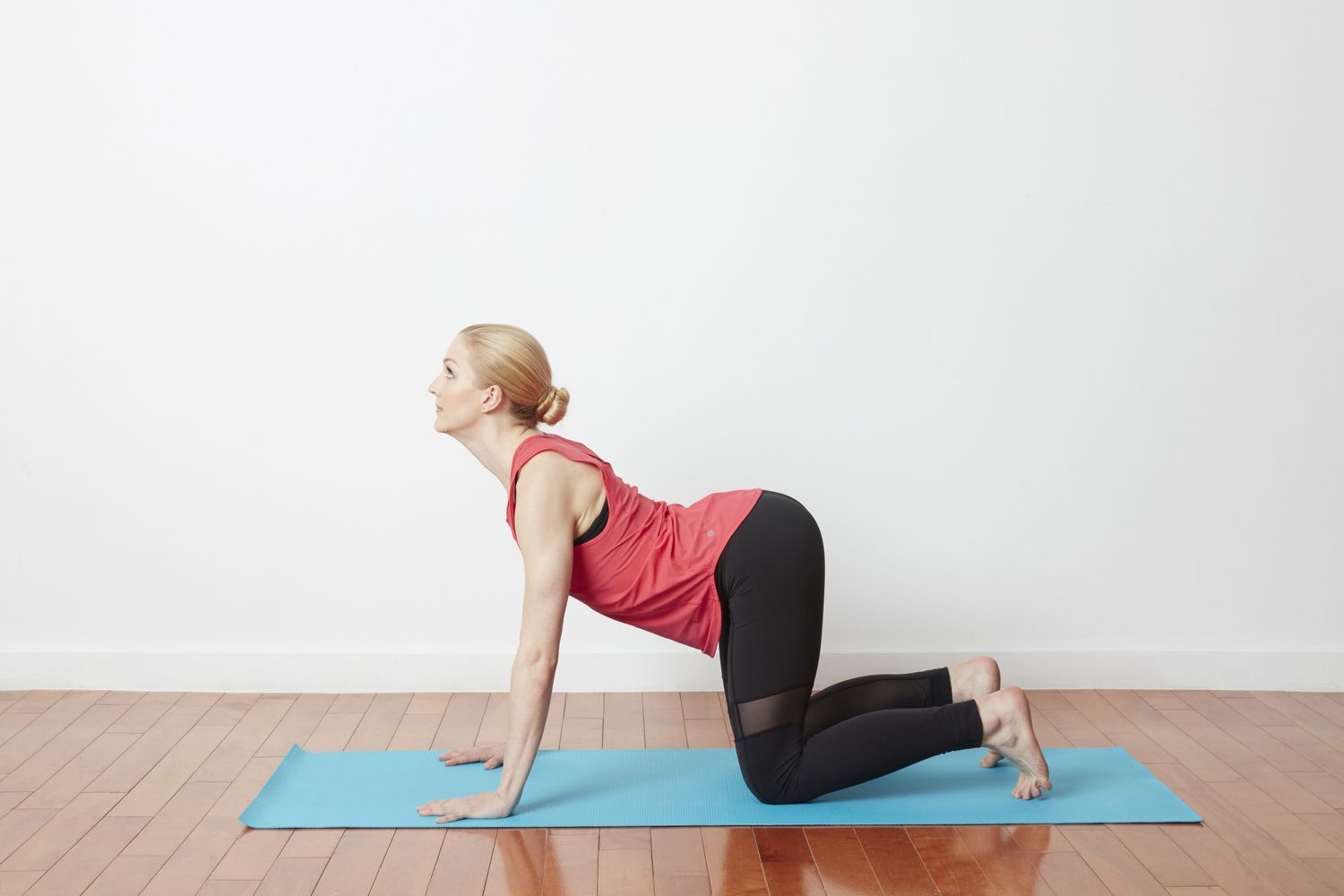
1. Cat–Cow Stretch
This gentle spinal movement improves flexibility and coordination in the back and neck.
How it helps
- Mobilizes the spine
- Relieves lower-back stiffness
- Encourages mindful breathing
Move slowly between rounding and extending the spine while syncing with your breath.
2. Arm Circles
Arm circles are simple yet effective for warming up the shoulders.
Benefits
- Improves shoulder joint range
- Reduces upper-body stiffness
- Prepares arms for daily activity
Start with small circles and gradually increase the size.
3. Hip Circles
Hip mobility is essential for walking, sitting, and bending comfortably.
Why it matters
- Loosens tight hips
- Supports lower-back health
- Improves balance
Perform controlled circles in both directions.
4. World’s Greatest Stretch
This full-body movement targets multiple joints at once.
Areas engaged
- Hips
- Spine
- Hamstrings
- Shoulders
Move slowly and focus on smooth transitions.
5. Seated Torso Rotations
This exercise improves spinal rotation and posture.
Advantages
- Enhances core mobility
- Reduces stiffness from prolonged sitting
- Supports healthy spinal movement
Rotate gently without forcing the motion.
6. Ankle Mobility Rocks
Ankle mobility affects balance, walking, and squat depth.
Benefits
- Improves ankle flexibility
- Enhances lower-body stability
- Reduces strain on knees
Shift your weight forward and back with control.
7. Shoulder Rolls
Shoulder rolls relieve tension caused by stress or desk work.
Why include them
- Encourages blood flow
- Improves shoulder awareness
- Reduces neck tightness
Roll slowly in both directions.
8. Standing Hamstring Reach
This movement improves flexibility while maintaining balance.
Key benefits
- Loosens hamstrings
- Supports hip mobility
- Improves posture
Bend slightly at the hips while keeping the spine neutral.
How to Build a Simple Mobility Routine
For beginners, consistency matters more than intensity.
Recommended approach
- Perform exercises once daily or at least 4–5 times per week
- Do 8–12 slow reps per movement
- Focus on controlled, pain-free motion
- Breathe deeply throughout
A full routine takes about 10–15 minutes.
Final Thoughts
Improving full-body mobility doesn’t require advanced training or long workouts. With beginner-friendly movements and steady practice, your body becomes more flexible, stable, and resilient. Mobility is not about pushing limits—it’s about moving better, every day.
Frequently Asked Questions
1. What is the difference between mobility and flexibility?
Flexibility refers to muscle length, while mobility includes strength and control through a joint’s full range of motion.
2. Can beginners do mobility exercises every day?
Yes. Most mobility exercises are low-impact and safe for daily practice when done gently.
3. How long does it take to see mobility improvements?
Many people notice better movement and reduced stiffness within 1–2 weeks of consistent practice.
4. Do I need special equipment for mobility training?
No. Most beginner mobility exercises use only bodyweight and open space.
5. Is mobility training suitable for older adults?
Absolutely. Mobility work supports joint health and balance at any age when performed carefully.
6. Should mobility exercises be done before or after workouts?
They can be done both. Light mobility works well before workouts, while deeper stretches are ideal afterward.
7. Can mobility exercises help reduce joint pain?
When done correctly, mobility exercises can improve joint function and may help reduce stiffness-related discomfort.